Outdoor life with dogs

Walking dogs in the countryside across varied terrain and conditions.

Spending time outdoors with a dog rarely stays a simple walk for long. What begins as a quick outing often turns into something else. A longer route, a change in direction, another field to cross. Before you realise it, you are hours outside, moving through wet grass, along tracks and into open countryside.


For Dedito, that connection between dogs and the outdoors runs deeper. The brand itself was inspired by a working gundog, Dedito di primavera of Weimar’s Joy, known as Dodi. A dog that required time outside, long days on the moors and a way of life shaped by terrain, weather and movement. It was never just about going for a walk, but about being out there properly.


That same feeling carries through to anyone who spends time outdoors with dogs. The pace is different, the routes less defined. Conditions change as you go, from dry paths to muddy ground, from still air to wind and rain. Walking a dog in the countryside becomes less about distance and more about adapting to what the day brings.

Why walking dogs in the countryside is different

Open space and unpredictable routes

Walking dogs in the countryside feels different as soon as you leave paved paths behind. There is no fixed route or clear boundary, just open ground and changing terrain.

Distances are rarely planned. A short walk can easily turn into something longer, especially when following paths through fields or woodland. Dogs range ahead, picking up scent and moving through cover, often setting the pace of the walk.

Ground that constantly changes

The ground itself is constantly changing. One moment you are on a firm track, the next you are crossing wet grass or uneven ground. After rain, paths quickly turn to mud and even familiar routes feel different underfoot. It is not something you plan for, but something you adjust to as you go.

Awareness beyond the path

There is also more to be aware of. Livestock, wildlife and open land without clear boundaries all require attention. Letting a dog off lead means relying on control, but also understanding the environment around you.

All of this makes countryside dog walking more demanding, but also more rewarding. You pay more attention, move differently and spend more time properly outdoors.

“A short walk with a dog rarely stays short once you’re out in the countryside”

“Dogs never mind the weather or the ground underfoot — they just keep going”

Walking dogs across mixed countryside terrain

From tracks to wet grass and mud

One of the first things you notice when walking in the countryside is how quickly the ground changes. A walk might begin on a dry track before turning into wet grass, and later into softer or uneven ground, especially after rain. Woodland paths bring roots and loose footing, while open fields can hide dips and rough patches.

Following your dog through changing ground

Dogs move through this more freely. They cut across terrain, disappear briefly into cover and reappear further ahead. You follow, adjusting your pace as the ground changes beneath you. It is rarely a straight route.

Why terrain changes the walk

Covering distance like this feels different from walking on predictable surfaces. It is more physical than it first appears, with small adjustments in balance and pace adding up over time. On longer walks, the terrain becomes a bigger factor in how the day feels.

This variation is also what makes it enjoyable. You are not just walking from one point to another, but moving through an environment that changes with every step.

Walking dogs in changing weather conditions

Weather can shift quickly outdoors

It rarely takes long for the weather to shift once you are out in the countryside. A dry start can turn into light rain, and wind often becomes more noticeable in open areas. Even without heavy weather, damp air and wet vegetation can affect how a walk feels.

Dogs keep going whatever the conditions

Dogs tend to carry on regardless, moving through long grass or cover without hesitation. Conditions often affect you before they affect them. Wet grass, muddy paths and cooler air can all make a difference, especially when you slow down or stop.

Seasonal changes and being prepared

Seasonal changes also play a role. In autumn and winter, ground conditions are heavier and wetter, making walks more demanding. In warmer months, heat becomes more of a factor, particularly on longer routes.

Over time, you get used to adjusting. You start to recognise changes in the weather and adapt as you go. It becomes less about avoiding conditions and more about being prepared for them.

Safety and control when walking dogs in the countryside

Freedom comes with responsibility

With more space and freedom comes a different level of responsibility. The open countryside allows dogs to move more freely, but it also requires reliable control.

Dogs will naturally explore, moving ahead and sometimes out of sight for short periods. This is part of the experience, but it means recall needs to be consistent. It becomes essential rather than optional.

Managing livestock, wildlife and shared paths

The environment also matters. Livestock, wildlife and open land all require awareness. Knowing when to give a dog freedom and when to keep it closer is part of reading the situation rather than following fixed rules.

You may also encounter other walkers, dogs or working areas along the way. Maintaining control in these situations helps keep things predictable and safe for everyone.

The balance between freedom and control

A good balance between freedom and control allows both you and your dog to move confidently through the countryside.

“A good dog may listen, but around stock, it’s always safer on a lead.”

Questions about goutdoor life with dogs

What should you wear when walking dogs in the countryside?

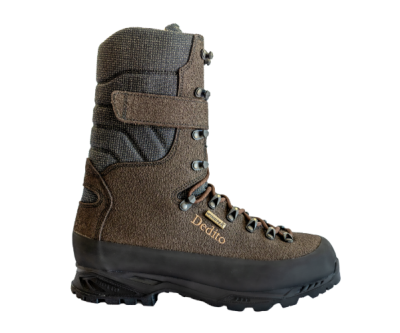
When walking dogs in the countryside, clothing should be suited to changing terrain and weather conditions. Waterproof layers, durable footwear and breathable materials help keep you comfortable during long walks across wet grass, muddy ground and uneven terrain.

Do you need waterproof boots for dog walking?

Waterproof boots are recommended for countryside dog walking, especially in the UK where wet grass, mud and damp conditions are common. They help keep your feet dry and provide better grip on uneven or slippery ground.

How far can you walk a dog in the countryside?

The distance depends on the breed, fitness and age of the dog. Many active dogs can comfortably walk several miles, especially when used to longer outings. It’s important to build up distance gradually and take breaks when needed.

Is it safe to let dogs off lead in the countryside?

Dogs can be let off lead in the countryside if they have reliable recall and the environment allows it. However, extra care is needed around livestock, wildlife and public footpaths, where keeping a dog under control is essential.

What are the main challenges of countryside dog walking?

Common challenges include uneven terrain, wet and muddy ground, changing weather conditions and managing dogs around livestock or wildlife. Being prepared for these factors helps make longer walks more enjoyable and manageable.