For gamekeepers

Everything for gamekeepers, from gear to dogs and advice

Gamekeepers play a vital role in managing countryside estates, balancing wildlife conservation with land management throughout the year. From early morning rounds to late-day checks, keepers spend long hours outdoors, often covering large areas of land in challenging conditions. The work involves everything from feeding birds and maintaining habitats to monitoring wildlife and managing the terrain.

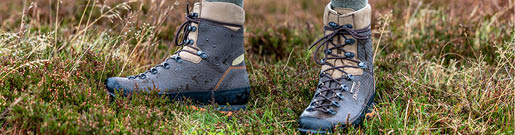
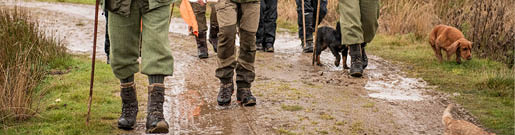
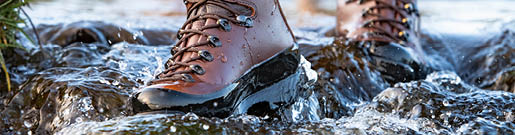
Working as a keeper means dealing with wet ground, rough terrain and unpredictable countryside weather on a daily basis. Whether walking across muddy tracks, moving through woodland or working in open fields, keepers are exposed to the elements in all seasons. Rain, cold mornings and changing conditions are part of the job, which makes reliable and durable gear essential for staying comfortable and working effectively.

Because of these demands, the right equipment plays a crucial role in day-to-day gamekeeping. From footwear and clothing to other essential gear, keepers rely on equipment that can handle long days outdoors, varied terrain and the realities of countryside work.
What to look for in gamekeeper boots?

Best boots for gamekeepers

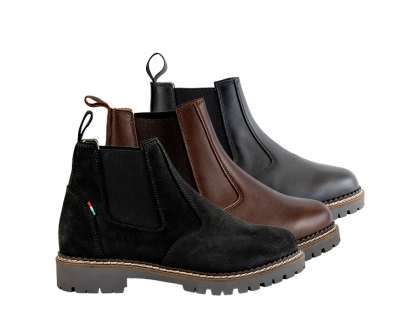
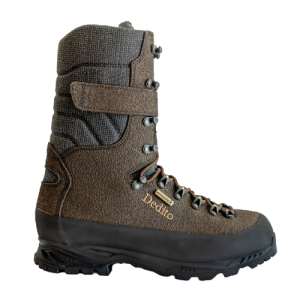
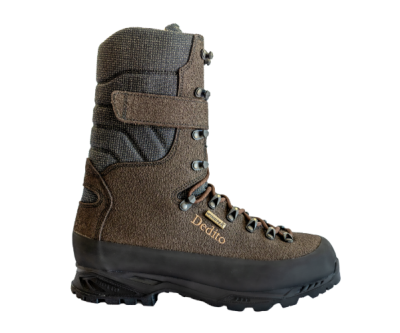
For gamekeepers, a good pair of boots is one of the most important pieces of equipment. Long days in the field often involve walking across wet grass, muddy tracks, uneven ground and rough countryside terrain. Boots need to provide reliable grip, strong ankle support and lasting comfort to help keepers stay steady throughout the day.

Boots vs wellies

While wellington boots are often used for very wet conditions or short tasks, many keepers prefer supportive leather boots for daily work. Leather boots typically offer better stability, improved breathability and greater comfort when covering longer distances across estates.

Waterproof boots for long days in the field

Keepers work outdoors in all weather conditions, from wet and muddy days to cold mornings and changing terrain. Boots need to provide protection from moisture while remaining comfortable and supportive throughout the day.

Key features to look for

The best boots for gamekeepers are designed to handle demanding environments and provide support throughout long working days.

Key features include:

  • Breathable waterproof membranes to keep feet dry in wet conditions
  • Durable leather with protective coatings to guard against brambles and undergrowth
  • High-traction soles for grip on mud, slopes and uneven terrain
  • Reinforced construction for long-term durability
  • Cushioned insoles and supportive design for all-day comfort

What to look for in outdoor wear as a gamekeeper?

Best outdoor wear for gamekeepers

Reliable outdoor clothing is essential for keepers working in changing countryside weather. From cold mornings to wet and windy afternoons, clothing needs to provide protection without restricting movement.

Layering for comfort and flexibility

Layering allows keepers to adapt throughout the day. A combination of base layers, insulating mid-layers and protective outerwear helps regulate temperature and maintain comfort during both active and less active periods.

What makes for the best gamekeeper outdoor wear

Outdoor clothing must provide reliable protection against rain, wind and cold temperatures. Waterproof and wind-resistant outer layers help shield against the elements, while features such as sealed seams, storm flaps and adjustable hoods improve protection in harsher weather.

Key features to look for

The best outdoor wear for gamekeepers is built for durability, comfort and performance.

Key features include:

  • Waterproof outer layers for protection in wet conditions
  • Breathable materials to regulate temperature
  • Durable fabrics that withstand rough terrain and daily use
  • Flexible designs that allow freedom of movement

What to look for in a gamekeeping dog?

Best dogs for gamekeepers

Working dogs play a key role in managing an estate. Keepers rely on dogs for tasks such as flushing birds, retrieving game and supporting work in the field. A well-trained dog improves efficiency and control during daily activities.

Types of dogs used by keepers

Different dogs are used depending on the work. Retrievers are commonly used for picking up game, while spaniels are often used for flushing birds from cover. Some keepers also work with versatile gundogs that can perform multiple roles.

Traits of a good gamekeeper dog

A good working dog needs more than natural ability. Temperament, trainability and endurance are all essential, as dogs often work long hours in challenging outdoor conditions.

Key features to look for

When choosing a dog for gamekeeping, keepers often look for:

  • Strong trainability and responsiveness
  • Good stamina for long working days
  • Calm temperament and control in the field
  • Ability to work across different terrain and conditions