Best clothing for farmers

What to look for in clothing for farmers

Farm work moves fast between wet and dry, active and still, whether that’s checking stock at dawn, spraying a field before rain, or kneeling in a rearing pen. There’s no time to stop and change out of wet clothes.

This guide covers what actually matters when choosing farm clothing, from layering and waterproofing to durability and practical design, and why so many working farms choose Dedito.

Why farmers need reliable clothing

Working in all weather conditions

Farming doesn’t check the forecast before deciding whether the work happens. Stock still needs feeding in sideways rain, and a dry spell at harvest means long days whatever the temperature. Reliable clothing means the weather stops being a factor in whether the job gets done.

Physical work and changing activity levels

One hour you’re hauling feed, the next you’re sat still in a cab or crouched in a pen. Hard physical work builds heat and sweat quickly, while standing or sitting still lets the cold back in just as fast. Clothing needs to handle both without leaving you overheated one moment and chilled the next.

Exposure to mud and wet ground

It doesn’t take heavy rain to end up soaked. Wet grass, mud and standing water find their way in fast, especially at the knees, cuffs and hem when kneeling or working close to the ground. Farm clothing needs real water resistance where it matters, not just a waterproof label.

Comfort and performance throughout the day

Wet, overheated or restricted: each kind of discomfort adds up fast over a long day. Clothing that chafes, pulls across the shoulders or traps sweat becomes a distraction from the work itself. Clothing that works lets farmers stop thinking about what they’re wearing.

“In farming, the weather rarely works in your favour, so your clothing needs to”

“Dress for the whole day, not just the first hour”

Layering for farm work

Adapting to changing temperatures

A cold morning can turn mild and windy before lunch. Layers let farmers adjust as the day moves, adding warmth for an early start and shedding it as the work and the weather warm up. That is far more practical than one heavy coat that is either too warm or not warm enough.

The role of base, mid and outer layers

Three layers, three jobs: a base layer moves sweat away from the skin, a mid-layer holds warmth, and an outer layer blocks wind and rain. Each layer only works if the one beneath it does its job, so a cotton T-shirt that holds sweat can undo even a good jacket. Get the combination right and the system stays comfortable from the coldest yard job to the hardest physical work.

Balancing warmth and breathability

Handling stock or hauling feed builds heat fast, and trapped sweat is nearly as uncomfortable as rain. Ventilation zips let heat escape when needed, then close up again once the pace slows. A breathable outer layer matters just as much, so moisture can escape even when the jacket stays zipped against the rain.

Breathable clothing for active farm work

Farm work rarely stays at one pace for long. Breathable fabrics let moisture escape continuously, so sweat from a burst of hard work doesn’t leave you damp and cold once things slow down. Combined with a flexible layering system, that means adjusting what you wear rather than changing it entirely.

“The toughest test for farm clothing is an ordinary Tuesday”

What makes the best farm clothing

Built for durability on the farm

Wire, fencing, machinery and livestock all take their toll on clothing over a season. Reinforced construction and genuinely durable fabric keep kit going instead of wearing thin by spring. Look for abrasion-resistant fabric at the points that wear first, such as the cuffs, shoulders and knees.

Protection from the elements

Wind, rain and cold don’t announce themselves in advance. Waterproof, wind-resistant outer layers with sealed seams and a proper hood keep the weather out for real. Adjustable cuffs and a high collar close the gaps at the edges, which is where water usually finds its way in.

Comfort during long working days

Clothing that restricts movement gets old fast when you’re crouched in a pen or climbing in and out of a cab. Lightweight, flexible fabric with a fit that moves with you makes the physical side easier. A cut with room for a mid-layer underneath keeps the jacket comfortable without limiting reach when lifting or climbing gates.

Practical design for everyday farm use

Features that just sit on a spec sheet don’t help on the farm. Pockets that hold what you actually carry, from a phone to a roll of baler twine, and cuffs that adjust over gloves solve real, everyday problems. On a long working day, small details like these matter more than any headline feature.

Why many farmers choose Dedito clothing

Designed for real farm conditions

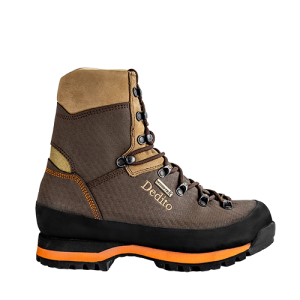
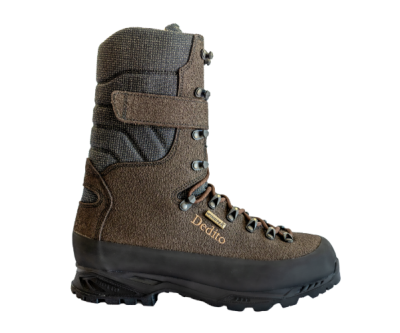
Dedito clothing is built around the conditions farmers actually work in: wet pasture, persistent rain and long stretches between yard, field, pen and cab. The range is developed specifically for British weather, shaped by feedback from the people who wear it every working day.

A system built for flexibility

Mid-layers and outer jackets are designed to work together, so farmers adjust for temperature and activity rather than being stuck in one setup all day. A mid-layer works on its own on a mild morning and under a jacket once the weather turns.

Protection without compromising comfort

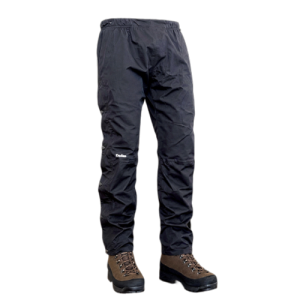
Waterproof and windproof on the outside, breathable underneath, so the elements stay out without turning the clothing into a sauna. That balance matters most on days that switch between hard physical work and standing still in the wind.

Worn on working farms

Dedito clothing is put to work at Bettws Hall, where an award-winning Stabiliser cattle herd and a pheasant and partridge rearing operation keep the team outdoors in every season. Their experience of what holds up, and what doesn’t, shapes how the range develops.

“From wet grass to wind and rain, your clothing needs to handle everything the farm throws at you”

Questions about farm clothing

What is the best clothing for farmers?

The best clothing for farmers is a layering system: a moisture-wicking base layer, an insulating mid-layer and a waterproof, windproof and breathable outer layer. It should be durable enough for wire, machinery and livestock, and flexible enough to kneel, climb and lift without restriction. Dedito’s outdoor wear is built around this system for British farm conditions.

How long does farm clothing last?

Good farm clothing can last several years with reasonable care. Regular cleaning and reproofing make a real difference to how long the waterproofing holds, and repairing small tears early stops them from spreading.

How do you keep farm clothing waterproof?

Clean it with a proper technical cleaner rather than standard detergent, which can strip the water-repellent finish. Once water stops beading on the surface, reproof it with a wash-in or spray-on treatment. Always check the care label first.

What are ventilation zips and why do they matter on the farm?

Ventilation zips are openings under the arms or along the sides of a jacket that let heat and moisture escape during physical work. They can be opened while hauling feed or handling stock, then closed again once the pace drops, without taking the jacket off.

What should you wear under a waterproof jacket when farming?

A moisture-wicking base layer and an insulating mid-layer, to stay warm without trapping sweat. Avoid cotton next to the skin, as it holds moisture and loses its warmth once wet. On milder days, a base layer alone under a breathable jacket is often enough.

What clothing do arable farmers need for harvest?

For harvest, arable farmers need breathable, lightweight layers for physical jobs, practical pockets for tools and a phone, and fabric tough enough for long days chasing the weather window. A light windproof layer is useful for early mornings and late evenings, when temperatures drop quickly.

What clothing do sheep farmers need for lambing?

For lambing, sheep farmers need clothing that is warm, waterproof and flexible enough to kneel and crouch without a fight. Lambing often means night checks in cold, wet conditions followed by active work in the pens, so layers that adjust quickly are essential. Hard-wearing, easy-to-clean fabric also helps.

What clothing works best for rearing pheasants and partridges?

Clothing for rearing pheasants and partridges should be warm, waterproof and flexible for kneeling in pens, much like lambing kit. Because the rearing season runs into the warmer months, breathable layers matter just as much as weather protection.

Do working farms use Dedito clothing?

Yes. Dedito clothing is worn and tested on working UK farms, including Bettws Hall with its Stabiliser cattle herd and game rearing operation. Feedback from those farms feeds directly into how the range develops.

Related subjects