Best boots for farmers

What to look for in the best boots for farmers

A day on a working farm, whether that’s gathering sheep off the hill, drilling a field or doing the rounds of a rearing pen, means hours on your feet on ground that was never built for comfort. Poor boots turn that into blisters, wet socks and a body that’s tired before the work is done.

This guide covers what actually matters when choosing farm boots, from waterproofing and grip to how they compare with wellies, and why so many working farms choose Dedito.

Why farmers need reliable boots

Supportive boots for long days on the land

The hill doesn’t care if you’re tired, and neither does the flock, the field or the pen. A working day on a farm can run from the first feed to the last check, much of it on foot. Because of this, reliable boots need to carry the full weight of that day, with support that keeps the foot and ankle steady long after the morning’s energy has worn off.

Footwear for mixed farm terrain

A gateway that’s dry on Monday can be axle-deep by Friday. In a single round, a farmer might cross a concrete yard, a rutted track, wet pasture and freshly worked ground, each asking something different of a boot. Farm boots need grip and support that hold up across all of it, not just the surface they were designed for.

Working in all weather conditions

Lambing, harvest and rearing season don’t wait for good weather. Spring brings wet ground and cold mornings, summer brings dust and heat, and winter brings frost and standing water, sometimes all in the same week. Boots need to perform whatever the forecast brings, keeping feet dry in the wet and comfortable in the warm, not just on a dry day.

Comfort and safety during long working days

A boot that rubs on day one will still be rubbing by day thirty. Comfort comes from a good fit, cushioned insoles and a boot that moves with the foot rather than against it. Safety matters just as much: firm grip on wet concrete, a reinforced toe against knocks from gates and machinery, and enough ankle support to stay upright on rough ground. The right boots mean you stop noticing them and just get on with the work.

“Farm ground changes by the hour. Good boots shouldn't.”

“When you're on your feet from first light to last, comfort and support matter”

Farm boots vs wellies

Why wellies are popular on the farm

Wellies go on in seconds and keep the water out completely, which is why there’s a pair by almost every farmhouse door. They’re easy to hose down and handle deep standing water and slurry without a second thought. For mucking out or a quick trip across a wet yard, they’re hard to beat.

The limitations of wellies for long working days

Walk three miles of hillside in wellies and your ankles will tell you why. Rubber offers little support and doesn’t breathe, so feet end up tired and sweaty, then cold once the sweat cools. A loose fit also lets the foot slide around inside the boot, which means less control on slopes and more rubbing over a long day.

When wellies are best

For short, very wet jobs, wellies still make sense. Mucking out, washing down a yard or parlour and crossing a flooded gateway all favour a boot that can stand in deep water and be hosed clean in seconds. Many farmers keep both: wellies for the wet, dirty jobs close to the yard, and leather boots for anything that involves distance or uneven ground.

Why many farmers prefer leather boots

Once the day involves real distance, leather boots win: better grip, better ankle support, and comfort that lasts the hours farming actually demands. Leather moulds to the foot over time, and a breathable waterproof membrane keeps feet dry without the clammy feel of rubber. For walking stock, checking fences or covering ground between fields, that combination makes a noticeable difference by the end of the day.

“Good farm boots are judged in February, not in the shop”

What makes the best boots for farmers

Durable construction for demanding farm work

Wire, gravel, machinery and livestock don’t go easy on a boot. Leather uppers, reinforced stitching and a protective coating keep boots going through a full season of daily wear. The best farm boots can be cleaned, re-proofed and kept in service for years, rather than replaced every time the weather turns.

Waterproof protection for wet ground

Wet ground is less an occasional problem than a permanent condition on most farms. A proper waterproof membrane keeps water out while letting moisture and heat escape, so feet stay dry without cooking. Without that breathability, feet end up just as wet from sweat as they would from a leak.

Support and comfort for long working days

Tired feet slow everyone down over a long day on the hill or between yard and field. Supportive collars, cushioned insoles and a lacing system that holds make the difference. A firm heel and a padded ankle keep the foot stable when the ground isn’t.

Grip and stability on mixed terrain

Mud, wet grass, loose stone and ice rarely let farm ground stay the same for long. Vibram soles, reinforced toes and rands are built for exactly that kind of shifting terrain. A tread that sheds mud rather than clogging keeps its grip from the first field to the last.

Why many farmers choose Dedito boots

Boots designed for demanding farm conditions

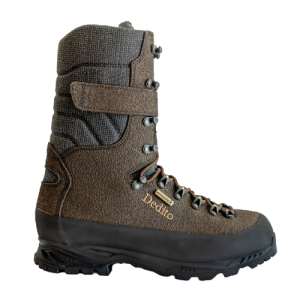
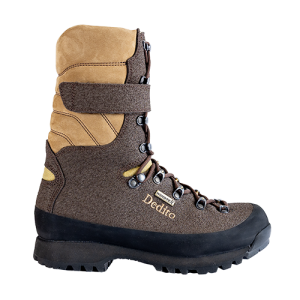
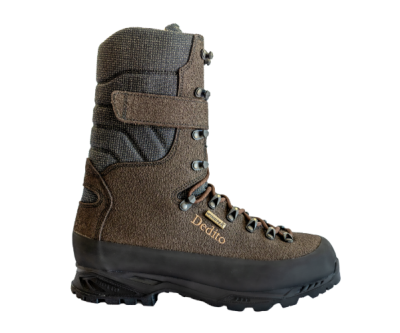
Dedito boots are built for the ground farmers actually work on: wet pasture, muddy gateways, hard-standing yards and ploughed fields. Each model is developed specifically for heavy British conditions, combining Italian bootmaking with feedback from the people who wear them every working day.

Built for durability and long days outdoors

Season after season, the same boots go back into the same mud. Handcrafted in Italy from durable nubuck leather, with a protective PU coating and reinforced stitching, they hold up where boots usually fail first. The coating also makes them quick to wipe clean after a day in the yard.

Reliable grip and waterproof protection

A breathable Windtex membrane keeps water out while letting moisture escape, so feet stay dry through wet grass and standing water without overheating. Vibram soles add the grip to match, holding firm on mud, wet concrete and uneven ground.

Field-tested on working farms

Dedito boots are tested where farmers actually work. Bettws Hall, home to an award-winning herd of Stabiliser cattle and a leading game farm rearing pheasant and partridge poults, is one of the working farms putting them through daily use. What works, and what doesn’t, feeds straight back into how the boots are developed.

“The best boots are the ones you forget you're wearing”

Questions about farm boots

Are boots or wellies better for farmers?

For a full working day, leather farm boots are usually the better choice: they offer more support, better grip and more comfort over distance. Wellies still earn their place for mucking out and other short, very wet jobs. Many farmers keep a pair of each.

What are the best boots for farmers?

The best boots for farmers are waterproof leather boots with a breathable membrane, a high-traction sole, good ankle support and reinforced construction that stands up to mud, wire and machinery. Dedito boots combine a Windtex membrane, Vibram soles and handcrafted Italian nubuck leather for exactly this kind of daily farm use.

How long do farm boots last?

Well-made leather farm boots can last several years of daily use if they’re looked after. Clean off mud and muck after use, as manure breaks down leather over time, let them dry naturally away from direct heat, and re-proof the leather regularly. Reinforced stitching and a protective coating also extend their working life.

Are waterproof boots necessary for farming?

Yes. Between wet grass, mud and standing water, boots without waterproofing mean wet feet by mid-morning. A breathable membrane such as Windtex keeps water out while letting sweat escape, so feet stay dry from both sides.

What sole is best for farm boots?

The best sole for farm boots is a high-traction rubber sole with a deep, widely spaced tread. Deep lugs bite into mud and wet grass, while the wider spacing helps the sole shed mud instead of clogging. Vibram soles are a common choice for their grip and durability on mixed farm ground.

Do farmers need ankle support in their boots?

Yes. Uneven ground, whether hillside pasture, a rutted track or a ploughed field, punishes unsupported ankles over a full day. A boot with a supportive collar and secure lacing reduces fatigue and lowers the risk of rolling an ankle.

Are leather boots better than rubber boots for farming?

For daily work, generally yes. Leather breathes better, supports the foot better and, with proper care, lasts longer than rubber. Rubber boots remain the practical choice for very wet, dirty tasks close to the yard.

Which farms work with Dedito?

Dedito boots are tested on working UK farms, including Bettws Hall. Between its Stabiliser cattle herd and its pheasant and partridge rearing operation, boots there face everything from muddy cattle yards to busy rearing pens.

Are farm boots suitable for game farming and rearing pheasants?

Yes. Rearing pens bring the same wet, well-trodden ground as any farmyard, often with early starts and long hours on foot. Boots built for mud, grip and all-day comfort work just as well through a rearing season as they do on the rest of the farm.

Related subjects